Artificial grass that can take play
A play lawn has more to put up with than an ornamental garden: running, football, a trampoline, the same spot under the swing over and over. For that you choose a variety that springs back. That is not a matter of the longest possible fibres, rather the opposite: short and medium-length fibres stay upright better and are easier to keep clean.
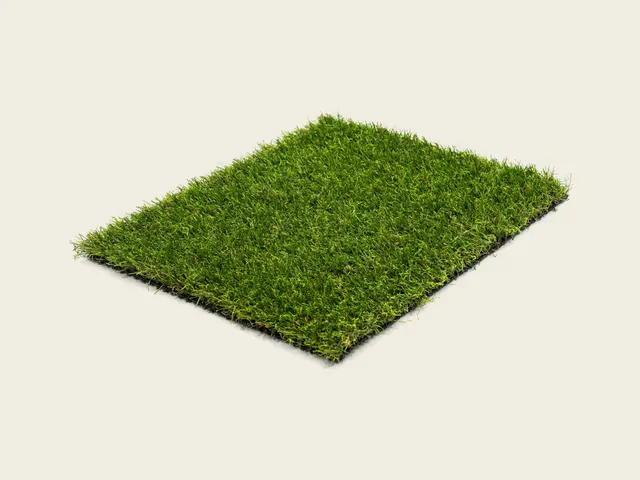
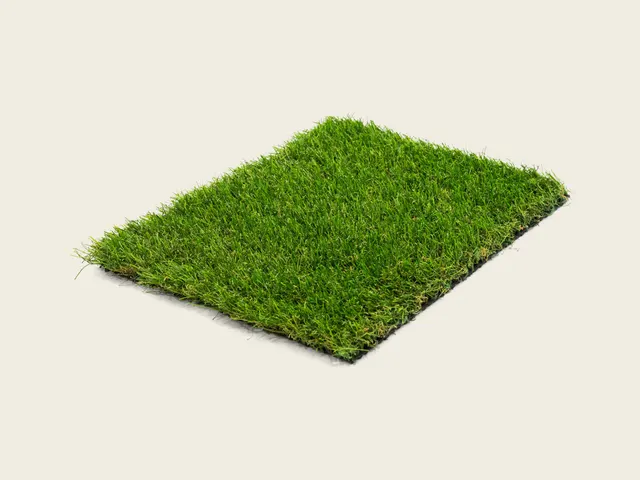
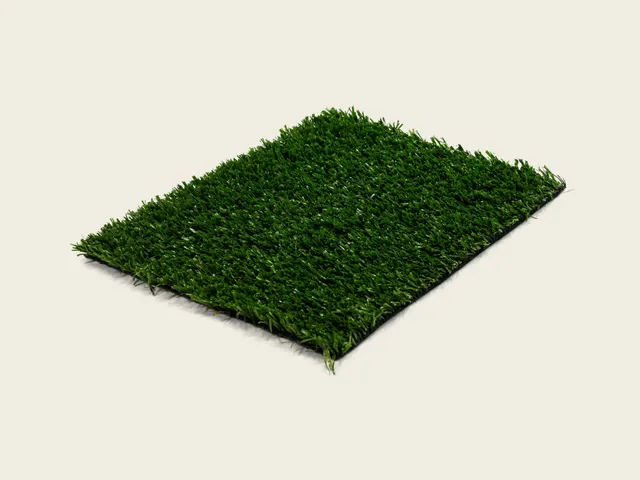
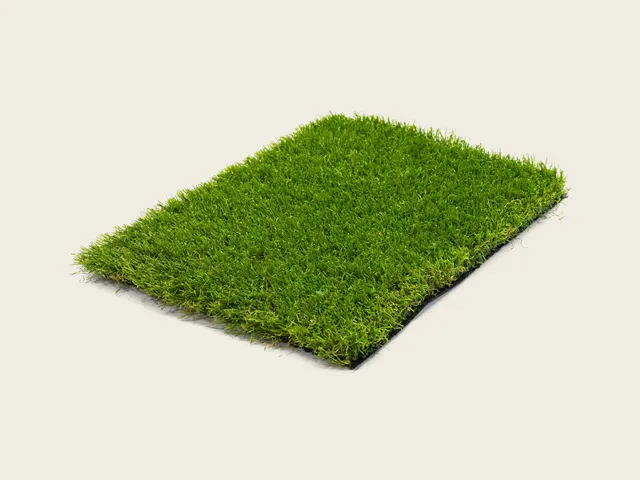
- Real play grass: Parco 24 is short and made for daily use.
- Play and a beautiful lawn: Prato 40 is full and sturdy, and looks like a real lawn.
- In between: Valle 35 and Riva 30 are sturdy and keenly priced.
No mud, outdoors all year round
You notice the biggest difference from real grass in the wet months. No bare patches appear under the goal and no mud gets carried indoors. After a rain shower the grass is quickly dry enough to play on again. In full sun, artificial grass does get warmer than real grass; on hot days you cool it down with the garden hose.
The base determines the result
Under a play lawn, a well-compacted, level base is extra important: you feel dips and loose spots straight away when running. Compact the sand or grit in layers, lay weed membrane and infill the grass with sand after laying. That sand keeps the fibres upright where people walk the most.
Is there a swing, slide or climbing frame? Artificial grass does not cushion a fall the way an impact-absorbing surface does. Play equipment that children can fall from has its own requirements for the surface; check the equipment's manual for these. More on this in artificial grass in a play area.
Keeping it clean
Sweep or blow off leaves and sand. Spilled squash or an ice cream can be rinsed away with water. Now and then, brush up heavily played areas against the pile direction so the fibres stay upright. Cleaning artificial grass explains how to go about it.