Why artificial grass is handy with a dog
A dog and a real lawn rarely get along for long: yellow patches from urine, holes and a mud bath in winter. Artificial grass solves that. The dog cannot dig in it, urine leaves no burnt patches and after a rain shower no muddy paws come indoors.
Choose short and sturdy
For a garden with dogs, a short to medium-length variety is the most practical. Droppings sit on top instead of between long fibres and you can rinse the grass clean easily.
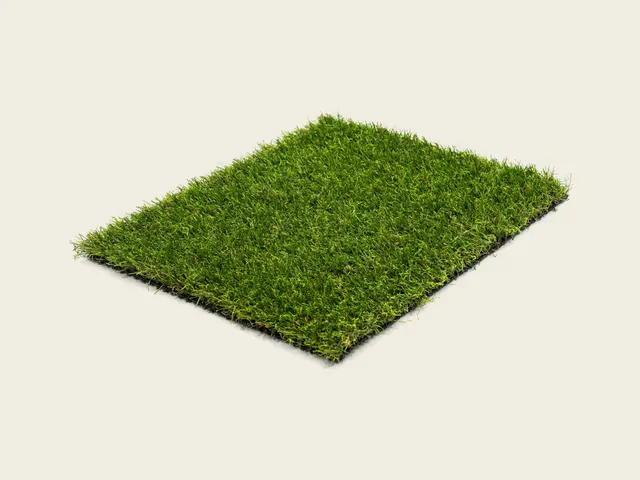
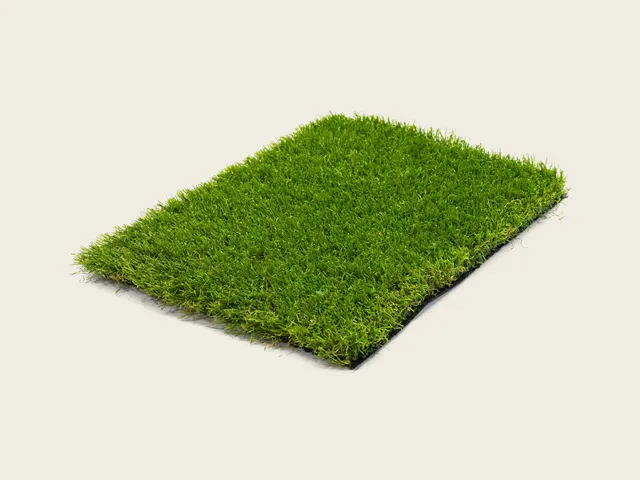
- Easy to keep clean: Riva 30 is sturdy and short.
- Fuller and softer, yet sturdy: Prato 40 is the all-rounder for a garden where people also sit on the grass.
Wee and odour
Urine runs through the backing of the grass into the base. Whether you smell anything afterwards depends mainly on what lies underneath and how often you rinse. A well-draining base of sand or grit carries urine away; on a sealed base it stays put.
This is how you keep it fresh:
- pick up droppings daily;
- rinse the regular wee spot with the garden hose regularly, especially in dry and warm weather;
- if there is an odour, use an artificial grass cleaner for pets, which breaks down the urine residue instead of masking it.
The artificial grass cleaner is among the accessories. A detailed explanation can be found in dogs weeing on artificial grass and preventing dog urine odour.
Secure it firmly
A dog that runs and turns pulls at the edges and seams. So secure the edges well with grass anchors, fix every seam on self-adhesive seam tape and infill the grass with sand: that makes it heavier and keeps the fibres upright. Does your dog like digging along the fence? Then finish the edge there against a kerb edging or tile, so it cannot get underneath.
Everything about choosing is in artificial grass for dogs.