It is a question almost everyone asks before a roll of artificial grass is lying in the garden. There is no answer that is right for every garden. But with a few honest questions to yourself, you can quickly see which way you want to go.
How much time do you want to spend on your lawn?
This is usually the deciding question. A real lawn is a living thing: from spring to autumn it wants mowing every week. On top of that comes fertilising, watering when it has been dry for a few weeks and scarifying now and then to remove moss and thatch.
Artificial grass needs much less. Removing leaves and twigs, brushing it up a few times a year and topping up a little sand every few years. How to go about that is explained in laying artificial grass yourself and the maintenance articles in our advice section.
What does it cost, now and later?
When it comes to laying, real grass is clearly the cheapest option. For artificial grass you pay €17.95 to €33.95 per m² with us, and the base comes on top of that.
But also look at the years after. With artificial grass you no longer need a lawnmower, no fertiliser, no bags of grass seed for bare patches and no high water bill in a dry summer. Add that up over ten years or so, and the difference is a lot smaller than the price tag suggests.
What does it look like?
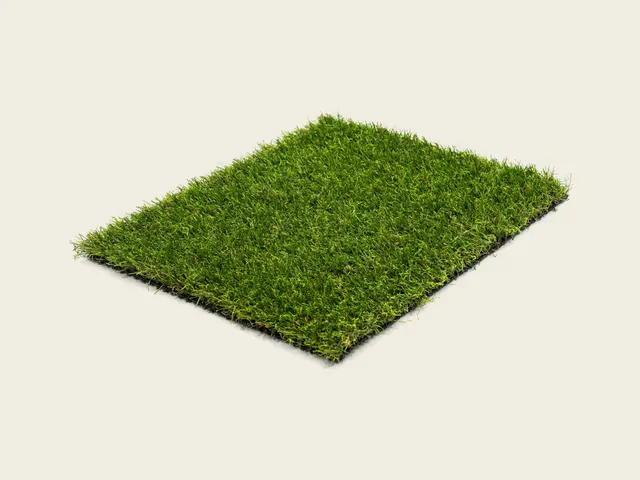
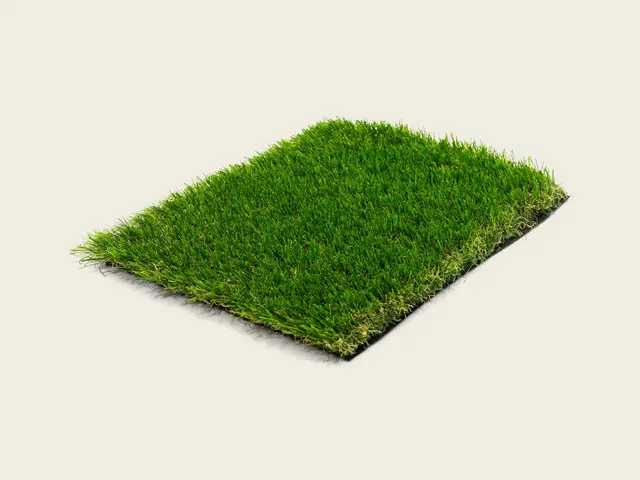
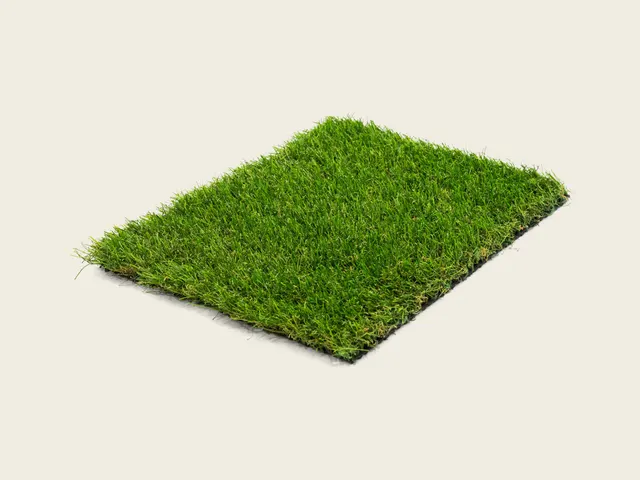
Real grass has something artificial grass cannot imitate: the smell, the coolness under your feet and the way it changes with the seasons. At the same time, good artificial grass has become considerably more natural in recent years. Types with several shades of green and a brownish curled fibre at the bottom are hard to tell apart from a mown lawn from a few metres away. The big difference: artificial grass looks exactly the same in winter as in summer.
Places where real grass struggles
In some places, real grass is really at a disadvantage from the start:
- Shade. Under trees or behind a high fence, grass gets thin and moss takes over. More on this in artificial grass in the shade.
- Dogs. A dog that runs the same route every day wears a path into the lawn. Also see artificial grass for dogs.
- Children playing. Under a swing or by the goal, real grass is bare after a few weeks. See artificial grass for play.
- Balcony and roof terrace. No lawn grows there anyway. See artificial grass for balcony and terrace.
When real grass is the better choice
Do you have a spacious, sunny garden and enjoy working in it? Then a real lawn is wonderful, and it is better for soil life, insects and birds. In a garden with lots of deciduous trees, real grass can also be more practical, because leaves simply decompose into the lawn there. On artificial grass you have to remove them.
Mind the heat
In full sun, artificial grass gets warmer than real grass, because no water evaporates from it. It stays cooler than tiles, but on bare feet you notice it on a hot afternoon. A quick spray with the garden hose cools it down straight away. All the downsides in one place can be found in the disadvantages of artificial grass.
In short
If you want a garden you mainly enjoy, without mowing every weekend, artificial grass is a logical choice. If you actually want to garden and have enough sun, real grass suits you better. If you choose artificial grass, use the choice helper to find the right type.